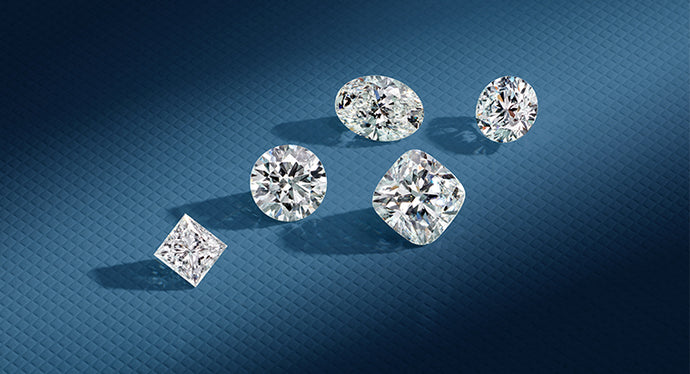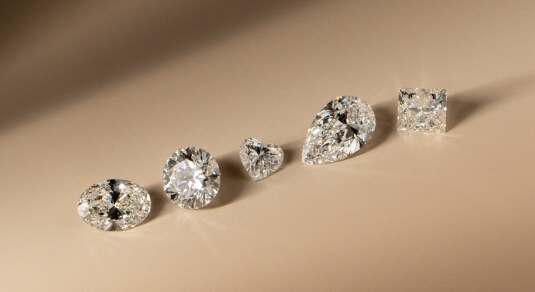

When was the last time you walked past a jewelry store and thought, wow… those sparkly things all look the same? You’re not alone. Most people can’t tell a flawless diamond from one with tiny inclusions. That’s where the diamond clarity chart comes in. And—spoiler alert—if you’re looking at lab grown diamonds, the conversation gets even more interesting.
The Backstory: Why We Even Care
Think about it: jewelry is emotional. An engagement ring isn’t just a shiny rock on a band—it’s a symbol, a memory, a story. Yet, for decades, the diamond industry has kind of… overcomplicated things.
The clarity chart, for example, looks like something out of a science class. “Flawless, Internally Flawless, VVS1, VS2, SI1…” It almost feels like a video game ranking system, right? But these tiny differences can mean thousands of dollars in price.
Here’s the kicker though: to the naked eye, you usually can’t see much difference past a certain level. A VS1 diamond might look exactly like a flawless one. Unless you’re carrying around a jeweler’s loupe in your pocket (and let’s be honest—you’re not).
That’s where I personally think lab grown diamonds shake things up. They offer the same sparkle, the same science-backed grading, but often at a fraction of the price. Suddenly, that “perfect” clarity grade doesn’t feel so unattainable.
What You Really Need to Know (Without Getting a Headache)
So let’s break this down without the jargon overload.
Here’s the simplified diamond clarity chart in human-speak:
Flawless (FL): Basically unicorn diamonds. Super rare, super expensive.
Internally Flawless (IF): Nearly perfect. You’ll pay a premium, but hey, bragging rights.
VVS (Very Very Slightly Included): Tiny flaws, even jewelers have to squint. Looks perfect to normal humans.
VS (Very Slightly Included): Small inclusions. Still super sparkly. A sweet spot for many.
SI (Slightly Included): More visible under magnification. Still fine if you pick carefully.
I (Included): Flaws you can see with the naked eye. These can be hit or miss.
Now, here’s the fun part: with lab grown diamonds, you can usually afford to jump a grade higher without emptying your wallet. Instead of choosing SI1 in a natural diamond, you might comfortably get a VS1 lab diamond.
And honestly? No one at your dinner party is going to ask for your diamond’s grading certificate. They’ll just see the sparkle.
Why This Matters Here and Now
Let’s face it, trends are changing. People are questioning old traditions, from wedding styles to the stones they pick. And diamonds—once this untouchable, “only natural is real” category—are no exception.
In cities where conscious shopping is becoming the norm, lab grown diamonds are thriving. They’re ethical (no messy mining debates), eco-friendlier, and more affordable. That’s a triple win in my book.
Compare that to 20 years ago, when even mentioning a “synthetic” diamond would get you side-eye. Now? Couples are proudly saying, “yep, it’s lab grown, and we love it.”
And clarity? Well, the diamond clarity chart hasn’t changed in a century. But the way we use it sure has. Instead of stressing over getting the highest grade possible, people are learning to balance sparkle, budget, and conscience.
How It All Works (The Not-Boring Version)
Let’s walk through the buying process—without making it feel like homework.
Set your priorities. Do you care more about size, sparkle, or “perfection”? Spoiler: you can’t usually max out all three unless you have Kardashian-level budgets.
Check the clarity sweet spot. Most jewelers recommend VS1 or VS2. Why? Because it looks flawless to the naked eye but doesn’t come with the “flawless” price tag.
Decide: natural or lab grown? This is where lab grown diamonds shine (pun intended). You can usually get a bigger, higher-clarity stone without blowing your savings.
See it in person if possible. Pictures online can only tell you so much. Light plays tricks. A diamond that looks dull in one photo might blind you with sparkle in person.
Trust your gut. At the end of the day, you’re not buying a grade on paper—you’re buying a piece of jewelry that’s supposed to make you smile every time you look at it.
Pretty straightforward, right? Not as intimidating as those charts make it seem.
Wrapping It Up
Here’s the truth: the diamond clarity chart is a useful tool, but it’s not the whole story. You don’t need to chase perfection to get something beautiful. And with lab grown diamonds, the game has changed anyway.
To be fair, there will always be people who swear by natural, flawless stones. That’s fine—it’s their story. But for most of us, it’s about balance: sparkle, meaning, and maybe a little extra money left over for the honeymoon.