
Ever looked at a diamond and thought, “Okay, it’s shiny… but what am I actually paying for?” You’re not alone. The world of diamonds can feel like a mix of science, tradition, and just plain clever marketing. That’s where tools like the diamond clarity chart come in. And of course, lab grown diamonds are shaking things up even more.
So, let’s dive in. Not in the stiff, textbook way. But in a real, “what does this mean for me if I want a diamond?” kind of way.
Why Do We Even Care About Diamond Clarity?
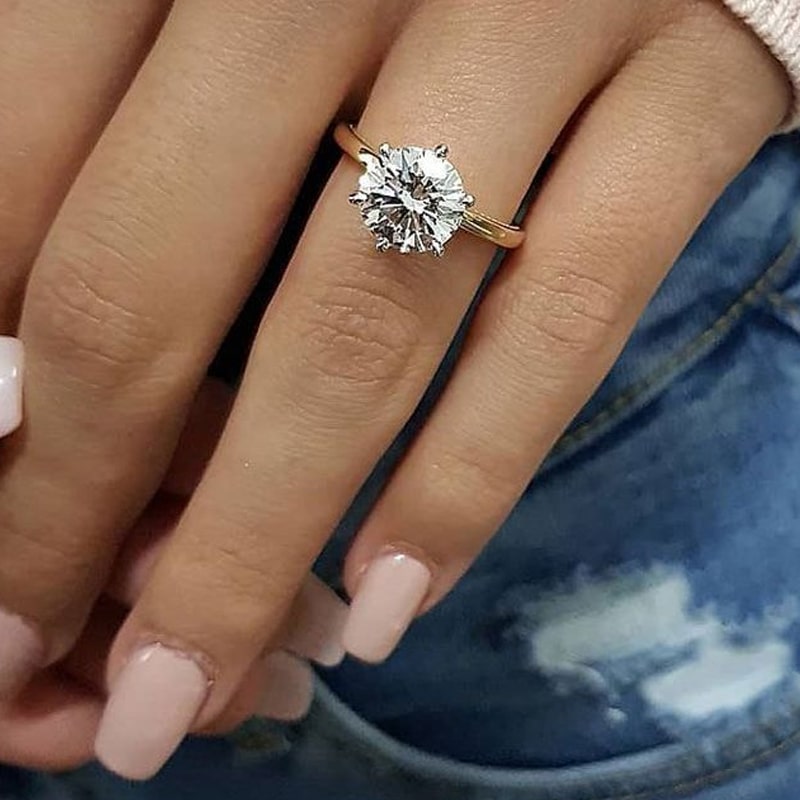
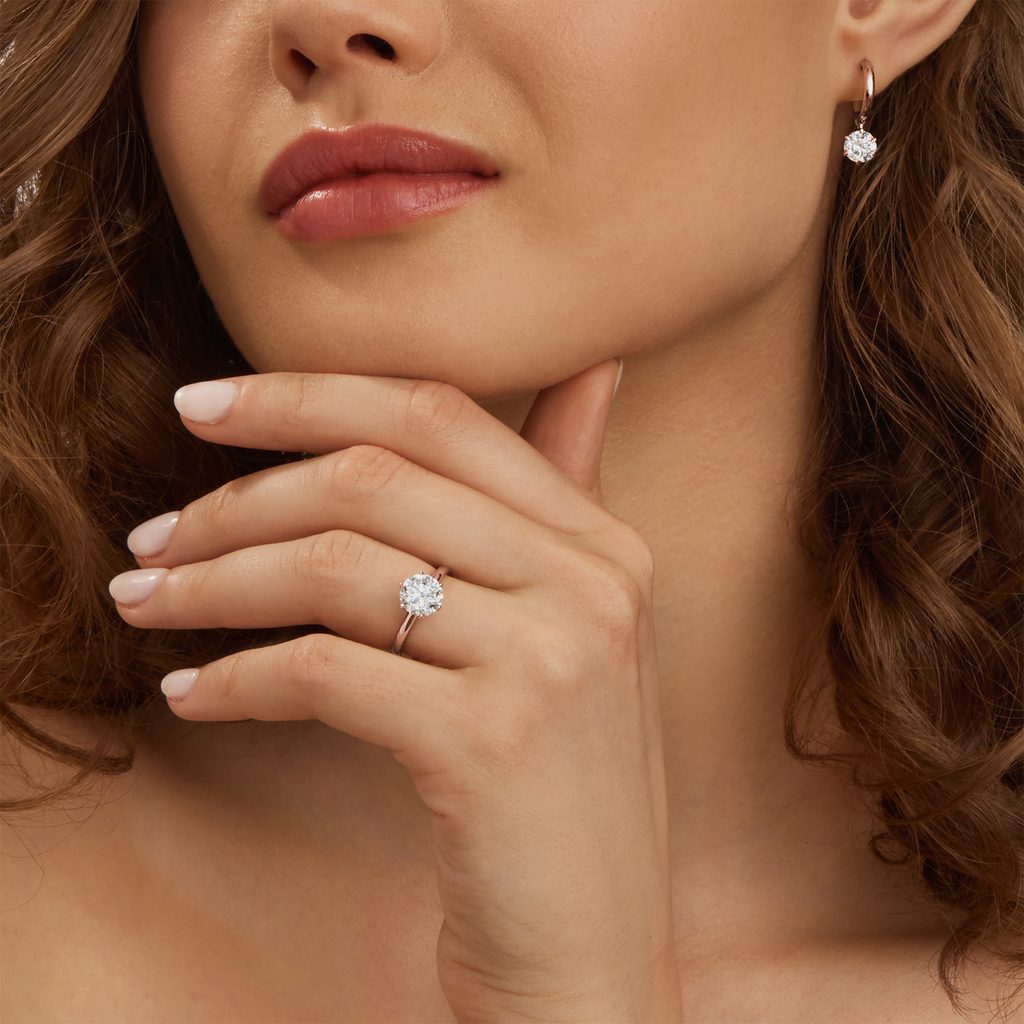
Think about it: when was the last time you noticed tiny imperfections on someone’s engagement ring? Probably never. You just saw sparkle. You saw love wrapped in a shiny stone.
But here’s the kicker. Clarity is still one of the “big four” things that decide a diamond’s value (the famous 4Cs: cut, color, clarity, and carat). The diamond clarity chart is basically a grading scale. It goes from flawless (no visible inclusions under 10x magnification) all the way down to “yeah, you can totally see that imperfection with your naked eye.”
To be fair, most people end up somewhere in the middle. Because flawless diamonds? They cost an arm and a leg. And honestly, who’s inspecting your ring with a jeweler’s loupe at dinner?
Lab Grown Diamonds: Not Just a “Budget” Option
Here’s where it gets interesting. Enter lab grown diamonds.
Some folks still think they’re “fake” diamonds. But nope, they’re the real deal—same chemical structure, same sparkle, same hardness. The only difference? Instead of forming deep in the earth over billions of years, they’re made in a lab using crazy science.
And you might be surprised… even lab grown diamonds use the same diamond clarity chart as natural ones. That means inclusions, variations, and grading are all part of the deal. Except here’s the cool part: lab grown stones often come out with fewer imperfections because scientists can control more of the process.
Trendy? Definitely. Affordable? Way more than natural diamonds of the same size and quality.
And let’s be honest—being able to get a bigger stone without selling your car? That’s a win.
What’s Trending in Diamonds Right Now
Let’s look at what people are actually choosing these days:
Bigger stones, lower clarity. Many people would rather have a 1.5 carat with tiny flaws than a flawless 0.7 carat. Because size does matter (at least when it comes to first impressions).
Lab grown for the win. Couples are shifting to lab grown diamonds not just for price, but also because they feel more eco-friendly and modern.
Unique settings. The stone is only half the story. Vintage-inspired rings, asymmetrical settings, and even colored gems mixed with diamonds are huge right now.
Transparency. People want to know where their diamond comes from. Natural or lab grown, ethical sourcing matters more than it used to.
It’s not just about the rock. It’s about the story it tells.
The Local Angle: Why It Feels Different Depending on Where You Shop
Here’s something fun. The way people buy diamonds isn’t the same everywhere.
In the U.S., lab grown diamonds are exploding in popularity. In Europe, tradition still has a tighter grip, so natural stones hold stronger value. And in Asia? There’s a growing mix. Younger buyers are way more open to lab grown options, especially because they’re practical and chic at the same time.
Imagine this: you walk into a high-end boutique in Paris asking for lab grown diamonds. You might get a raised eyebrow. But in New York? The salesperson probably has five trays ready for you.
So yeah, your location actually shapes the diamond culture around you.
How the Process Actually Works (Without the Jargon)
Okay, so let’s break down what happens when you go shopping for a diamond. It’s not as scary as it sounds:
Pick your budget. No shame here. It sets the stage.
Decide natural vs. lab grown. This is where your values, wallet, and maybe family opinions come in.
Look at the 4Cs. This is where the diamond clarity chart sneaks in. Don’t obsess too much—stick to something “eye-clean” (meaning flaws you can’t see with the naked eye).
Try different settings. Sometimes the right ring design makes a “less perfect” diamond look absolutely stunning.
Trust your gut. If it sparkles and feels right, that’s your stone.
It’s not rocket science. It’s more like shopping for a car. Except instead of horsepower and fuel economy, you’re juggling clarity, cut, and carat.
Wrapping It Up
At the end of the day, the diamond clarity chart is just a guide. It helps you understand what you’re looking at. But it shouldn’t run the whole show.
Lab grown diamonds are changing the game, making it easier (and way more affordable) to get something breathtaking. And honestly, the diamond world is finally starting to feel less intimidating and more about what matters—finding something that feels like you.
Because when someone looks at your ring, they’re not thinking about clarity grades. They’re thinking about the story it tells.