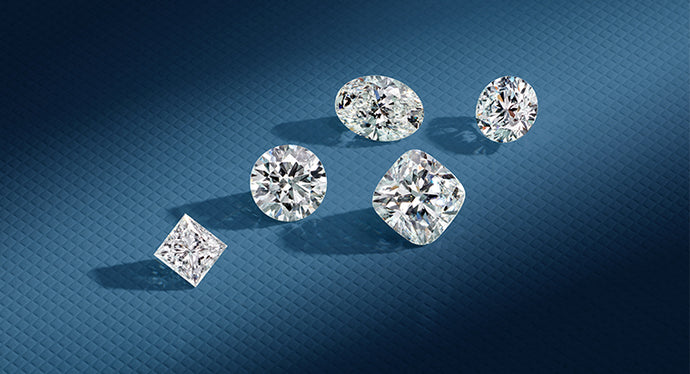


More Buyers Choose Modern Diamonds
Most people wonder how to find a ring that looks good, lasts long pear engagement rings, still fits their budget. Man made stones shook up the scene by giving another option. Not dug out of rock formations deep underground these gems grow in labs under steady conditions. Same atomic layout as natural ones just built faster without mining gear. Most people can pick bigger gems, clearer ones, or bolder styles – all while staying within their limit. When looking at options for a ring, a pair of earrings, or something just for yourself, knowing what makes these diamonds different changes how you choose them.
What They Are and Why They Matter
What makes a diamond real isn’t location but how its atoms line up. Deep below ground, nature takes ages to build them. In labs, machines copy those intense pressures and heat instead. So their shine matches closely, tools struggle to tell apart many of them, plus they both handle everyday knocks well. Your choice might come down to cost more than toughness. How it got made matters most when picking one.
How They Are Made
Folks tend to pick one of two ways. Yet sometimes they switch between both.
- Underground settings get copied using HPHT – intense heat plus crushing pressure do the job. Conditions deep below surface? That is what this method tries to match.
- A thin diamond coating forms when carbon-heavy gas reacts under high heat. This method builds up the material slowly, one layer at a time. Heat drives the process, turning vapor into solid structure. Gases break apart, leaving carbon behind on surfaces. The result is a hard, clear film similar to natural diamond.
One way works just as well as the other when it comes to making fine stones. What really shapes the outcome is how they’re cut, polished, graded – far beyond just the process used at first.
Buyers Think About These Reasons
Some folks pick lab grown stones when they’re after a bit more room to move.
- Bigger size for the same budget
- Higher clarity or color grades
- Modern sourcing preference
- Space opens up elsewhere when funds shift toward setup costs
- Access to custom designs
If money’s tight, picking a finer shape might let you go bigger up front instead of settling for less. A lab diamond could give more sparkle per dollar when funds are locked in.
How to Judge Quality
Start by looking beyond cost. What shapes how it looks often matters more.
Cut
Sparkle depends most on how the gem is cut. Light bounces around inside a skillfully shaped stone, making it dance compared to a bigger one that’s sloppily made. When weighing what matters, give this quality first attention.
Color
Most people pick near-colorless stones since they look great without costing a fortune. How clear a diamond seems depends on its color rating.
Clarity
Inside a gem, tiny spots or lines might show up. These little things often disappear when you look without tools. Top-tier clearness isn’t every time necessary. What seems clean can still hold value.
Carat Weight
A diamond’s heft comes down to mass, not just what meets the eye. Depending on its form and how it’s shaped, a gem might appear bigger than it really is.
Certification Matters
A trusted lab’s grading report should never be skipped. Details like cut, color, clarity, measurement – these show up clearly there. Comparing gems gets tricky if nothing’s certified. When you can, check the report number yourself.
Popular Ways People Use Engagement Rings
Starting with what matters most, this section helps when choosing a ring meant for proposals since feelings mix closely with cost concerns. Money might shift toward better details, skilled making, or even saving up for the marriage journey rather than just focusing on the main gem. Shapes like round, oval, cushion, emerald, and pear show up often among buyers. With their tapered tip pointing outward, pear styles stay common – they stretch the appearance of fingers while bringing something different to the eye.
Choosing the Right Setting
A shift in environment alters how things look, along with safety. While appearance shifts, protection levels adjust too.
- Solitaire for a clean timeless look
- Halo for added visual size and extra sparkle
- Three-stone for symbolism and balance
- Bezel for active lifestyles and strong protection
- Pavé for extra brilliance on the band
A person who uses their hands a lot might find a slim bezel works well. Or maybe a tight prong setup holds things safer than something high up. Tall mountings can catch on things, after all.
Daily Wear and Durability
Though diamonds resist damage well, their mountings require attention. When doing tough chores like moving boxes, working out, or scrubbing with strong cleaners, take off your ring. Warm water mixed with gentle soap plus a toothbrush that’s soft will clean the gem safely. A professional should look at the metal claws now and then. Even though one comes from underground and another is made in a lab, both types gain from regular upkeep.
Compare prices by checking total costs and similar items
Start here instead of jumping to conclusions. A stone’s value hides beyond just its weight. Look at quality markers that match up closely. Size on paper means little without context nearby. Check each feature side by side, not in isolation. Dimensions matter as much as labels do. Build your view using these points together
- Same shape
- Similar cut grade
- Similar color range
- Similar clarity range
- Verified through a reliable testing facility
- Check return policy and warranty
Bargains that skimp on precision slicing often cost more over time.
What to think about before buying
Ask the seller clear practical questions.
- Does someone check the diamond first?
- Exactly what grade does the cut receive?
- Zoomed pictures or clips – do they show up clearly? Maybe check how big things look when stretched out on screen.
- How long can you send it back?
- Resizing – part of the deal with this ring? Worth knowing before you decide.
- Check what upkeep tasks get done regularly.
What really matters shows up here, not in polished pitches.
Common Mistakes to Avoid
Most people hurry through buying. Take more time to check each option carefully instead. Size might catch your eye, yet poor cut ruins the look. A top clarity rating isn’t always better – sometimes it makes no real difference. Finger size matters – overlook it at your own risk. Buying blind? Return policies might save you down the road. The mounting deserves attention too. Problems often start when dazzling gems sit in flimsy frames.
Who They Are For
For those focused on smart spending, man made diamonds might be just right – especially when size matters but budgets do not stretch far. A modern making process could appeal, too, perhaps even more so if personal design is key. Custom pieces gain room to shine when the main gem does not take up every dollar. Yet if what lies beneath Earth’s surface over millions of years holds weight, then naturally formed gems may remain the choice that feels deeper. What began long before human hands may simply mean more, depending on what moves you.
Deciding the Last Step
Begin by focusing on what truly matters to you, not what others are choosing. When brilliance is key, give attention to how well the stone is shaped. Should large appearance be the goal, look closely at its surface size instead of carat weight. For those watching their spending, stick to limits firmly – use whatever remains for mounting choices or later goals. Start by asking clear questions if doing the right thing guides your choices. Papers and records help show where things come from. What works in your routine often matches what feels right inside.
Common Buyer Questions
Are man made diamonds real diamonds?
True. Their inner framework matches that of natural diamonds exactly.
Most lab-grown stones hold up just like mined ones over time.
True enough. If looked after properly, these hold up well through daily routines plus years of regular handling.
Can people tell the difference by looking?
Beauty often hides beyond looks. What matters most? Craftsmanship, precision, yet also how well it’s kept. Origin plays a smaller role when these shine through.